Southeast Asia, as one of the core regions for global mineral resource development, has witnessed a continuous increase in demand for mining equipment in recent years, making it an important overseas market for domestic mining equipment enterprises. However, unlike the domestic market, there are numerous differences in industry standards, working conditions, and policies and regulations among the various countries in Southeast Asia. For enterprises to establish a solid foothold, they must master two core tasks: compliance control and localization adaptation.
Compliance
The First Barrier to Crossing Overseas Markets
The compliance requirements for mining equipment vary among Southeast Asian countries, and enterprises need to accurately grasp the core standards:
Vietnam
Mining equipment must comply with the Vietnamese national standards (TCVN). Explosion-proof products need to obtain the explosion-proof certification from the Ministry of Labor, Veterans Affairs and Social Security of Vietnam. When imported, a quality certificate, a certificate of origin, and a bilingual manual in Chinese and Vietnamese must be provided.
Indonesia
It is mandatory for mining equipment to obtain the certification of the Indonesian national standards (SNI). The application must be submitted by the local agency, and the certification period is usually 3-6 months. At the same time, the equipment must be compatible with the 380V/50Hz voltage standard of the Indonesian power grid.
Malaysia
It follows the International Electrotechnical Commission (IEC) standards, but some mines will additionally require the equipment to pass the safety certification of the Malaysian Energy Commission (ST). When imported, an English technical specification sheet and operation manual must be provided.
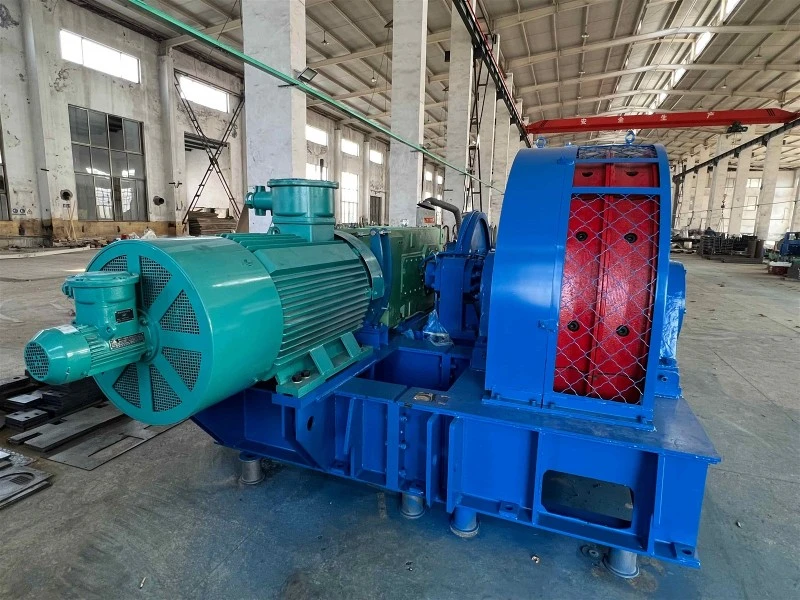
In addition, customs in various Southeast Asian countries have significant differences in the classification and tariff rates of mining equipment. For example, the tariff rate for mining winches in Vietnam is 10%, while in Indonesia it is 5%. Companies need to cooperate with local logistics providers in advance, make pre-classification of product codes, and avoid additional costs or customs clearance delays due to incorrect classification.
The unique climate and working conditions in Southeast Asia place higher demands on the adaptability of mining equipment:
Corrosion-resistant design
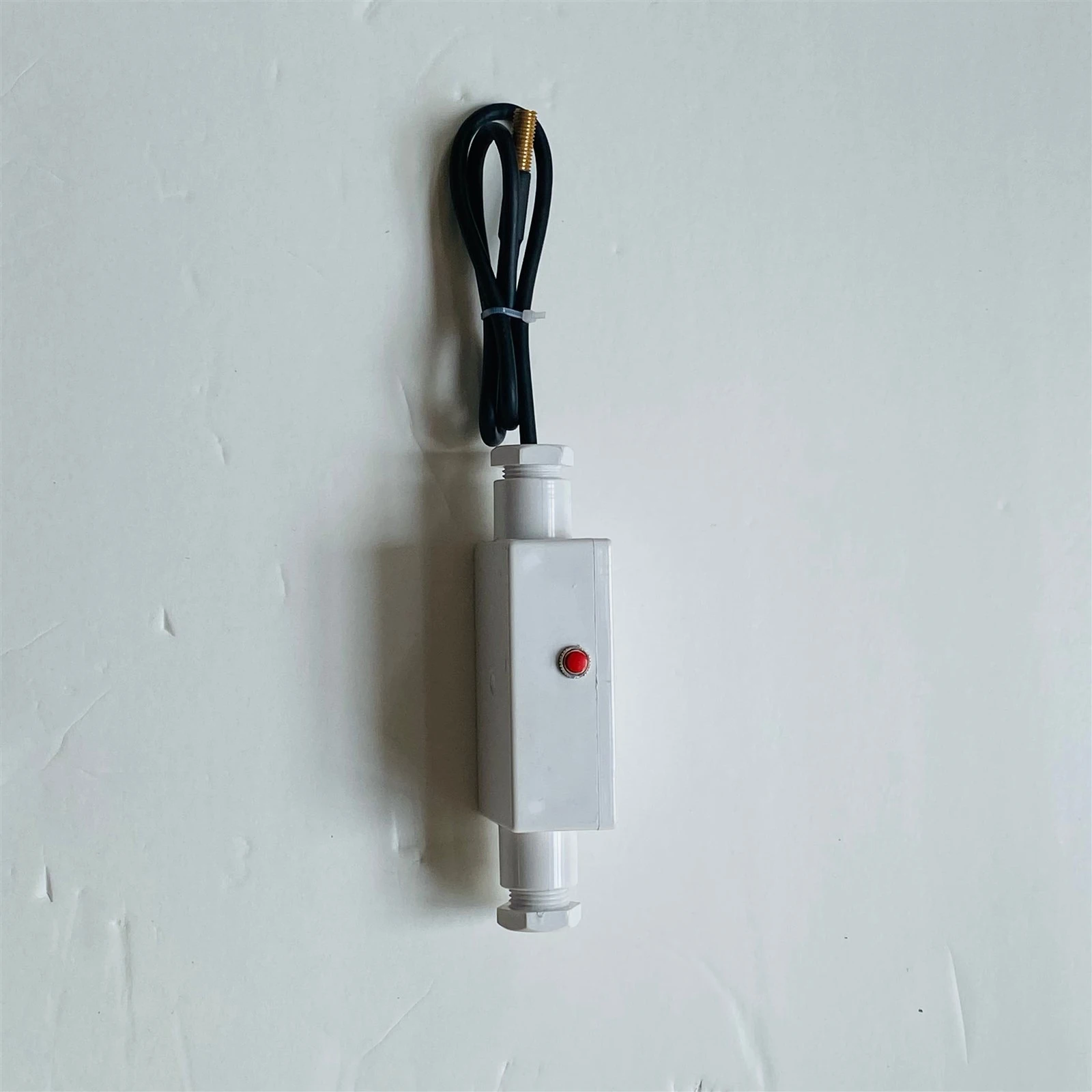
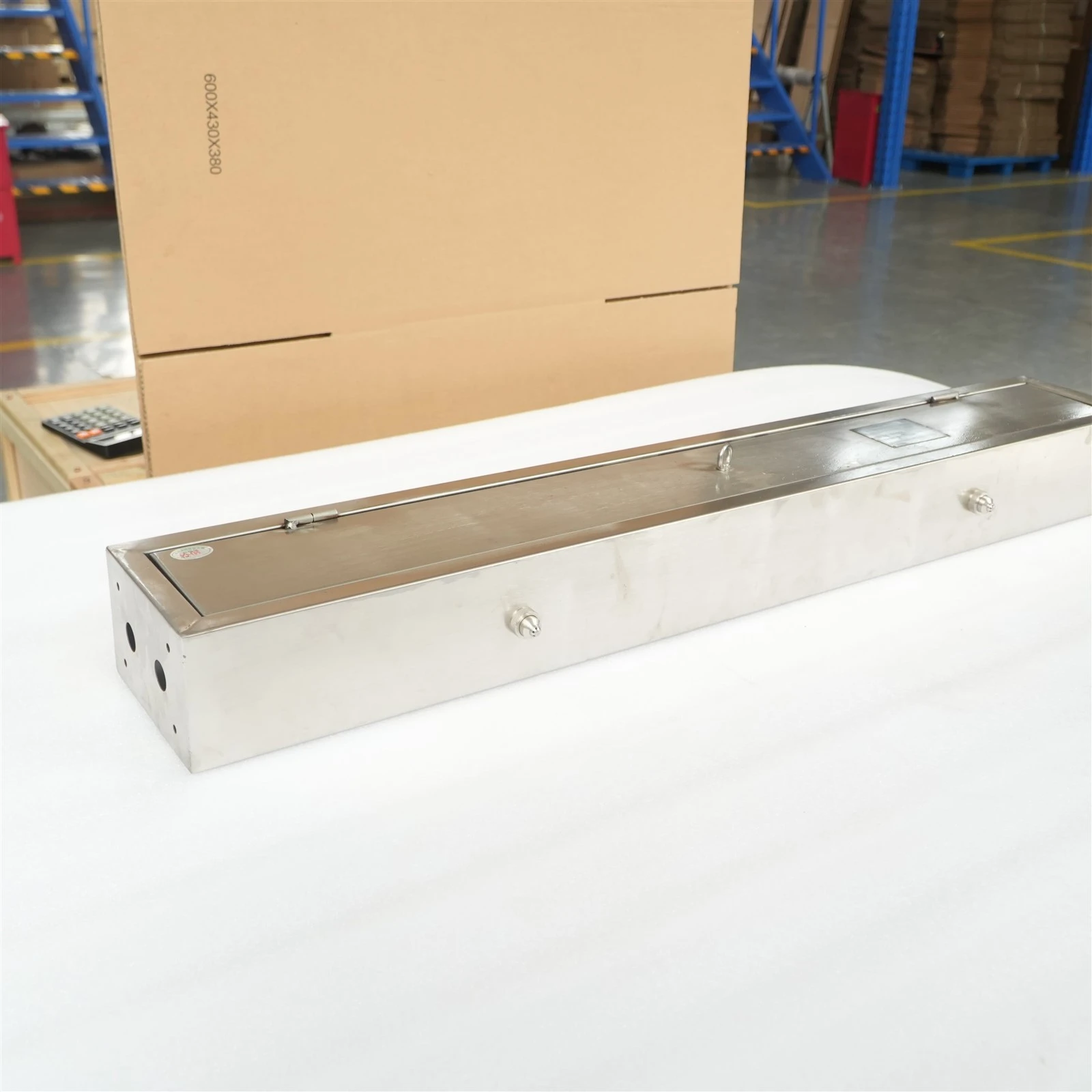
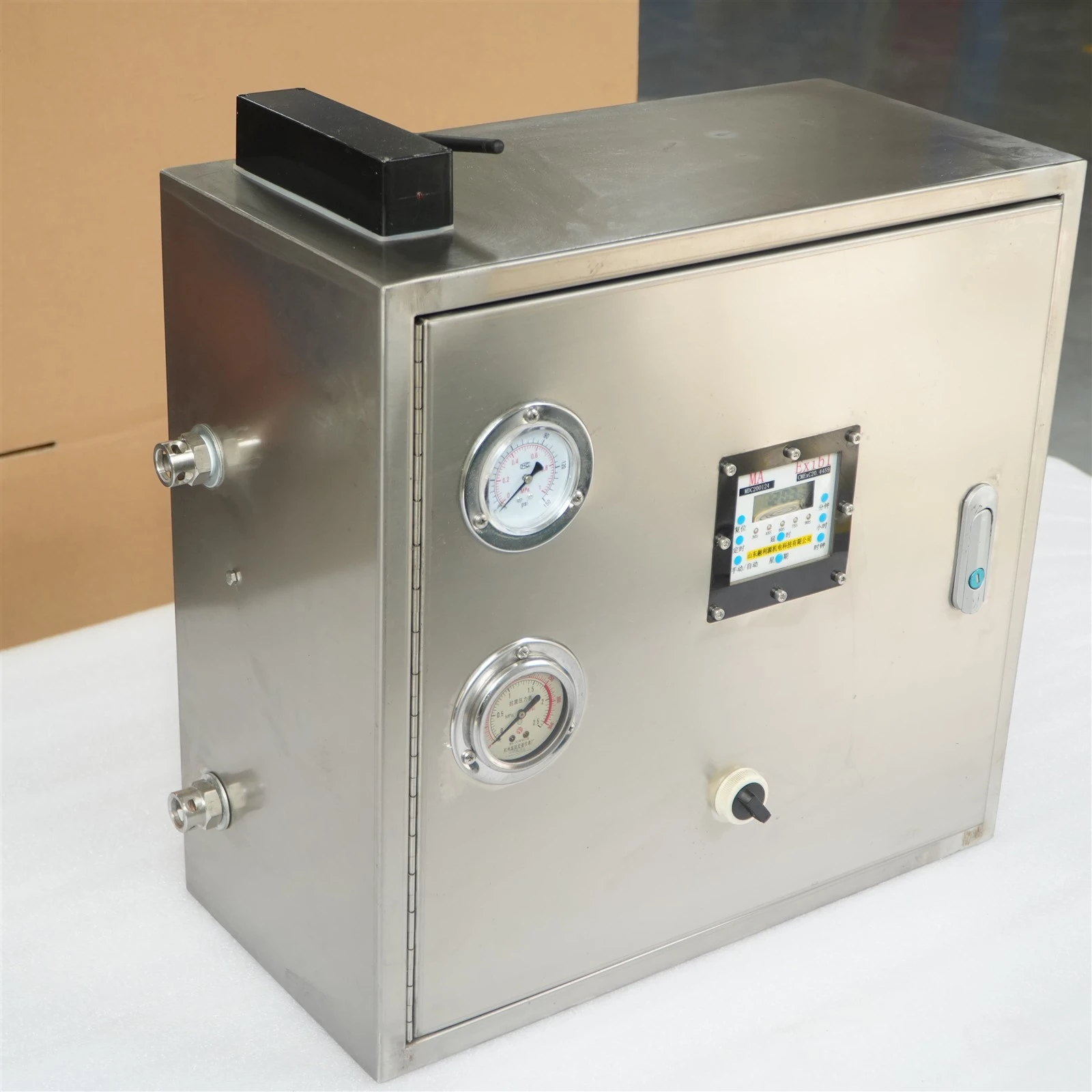
The hot and humid climate in Southeast Asia can cause rusting of equipment components. Therefore, anti-corrosion techniques such as galvanization and powder coating should be adopted. Core components like explosion-proof junction boxes and motors need to use materials with a protection level of IP65 or above.
Customization of working conditions
The open-pit mines in Vietnam are mostly red soil mines, with strong soil stickiness. The lifting speed of mining winches needs to be adjusted to 80% of the normal speed to avoid failures caused by excessive load; underground mines in Indonesia have high humidity, so dehumidification devices need to be installed for electrical equipment.
Simplification of operation
The professional skills of front-line operators in Southeast Asian mines vary greatly. The equipment operation interface needs to have a multi-language switching function (at least including English and the local language) to reduce complex parameter settings and lower the operational difficulty.
Service preposition
Mining equipment is a heavy industrial product, and the response speed of after-sales service directly affects the customer experience. To establish a foothold in the Southeast Asian market, enterprises need to build a local service system:
Preparatory accessory reserves
Establish accessory warehouses in core markets such as Vietnam and Indonesia, stock spare parts like winch brake pads and explosion-proof wiring terminals, and ensure that replacements can be completed within 48 hours in case of a failure.
Local team cultivation
Hire local technical engineers or send domestic engineers to the local area for language and cultural training to enhance the response efficiency and communication smoothness of services.
Regular follow-up mechanism
Conduct a quarterly follow-up visit to customers to understand the equipment operation status, identify potential faults in advance, and collect customer feedback to provide a basis for subsequent product optimization.
For domestic mining equipment enterprises, the Southeast Asian market is both an opportunity and full of challenges. Only by accurately grasping compliance requirements, doing a good job in local adaptation, and building a complete service system can one stand firm in the fierce competition and achieve long-term stable development.