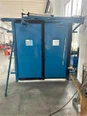
The mine ventilation system is the core support for the safety production of coal mines, and is hailed as the "breathing system" of the mines. Its core function is to supply fresh air to the underground, dilute harmful gases such as methane that are discharged, control the concentration of dust, and regulate the underground climate. It directly affects the life safety of miners and production efficiency. As an industry driven by both policies and technology, its development is deeply linked to safety production regulations, the prosperity of the coal industry, and the iterative advancement of intelligent technologies.


Policy supervision is the core driving force for the development of the industry. The new version of the "Coal Mine Safety Regulations" has clearly raised the requirements for the setting of connection shaft air doors, recognized the application value of balanced air doors, and strengthened the reliability norms of the ventilation system. At the same time, the national policy promoting the intelligent development of coal mines has accelerated the transformation of the ventilation system to digital and intelligent forms. Through sensor networks and AI algorithms, it realizes automatic adjustment of air volume and fault warning, significantly enhancing safety redundancy.

-
energy efficiency and conservation have become the core demands. Technologies such as variable frequency speed control and pneumatic optimization are widely adopted, reducing the energy consumption of ventilation systems by 10% to 25% for mining enterprises
-

the demand for upgrading old equipment has emerged. Under the impetus of policies, outdated ventilation equipment is gradually phased out.
-
the service model has been upgraded. Enterprises have shifted from providing only equipment to offering "equipment + operation + energy-saving services" as an overall solution, highlighting the value of the aftermarket.