In mine mining operations, dust pollution is a key hazard threatening the health of miners and production safety. Long-term inhalation of dust can easily cause pneumoconiosis, and high-concentration dust may also lead to explosion accidents. Therefore, efficient dust control equipment has become a rigid demand for safe production in the mining industry. As the core equipment for active dust control, the mine water curtain system has become a standard equipment in key underground mine links such as excavation and transportation, relying on its advantages of high dust collection efficiency, controllable cost, and strong adaptability, building an important line of defense for mine safety.
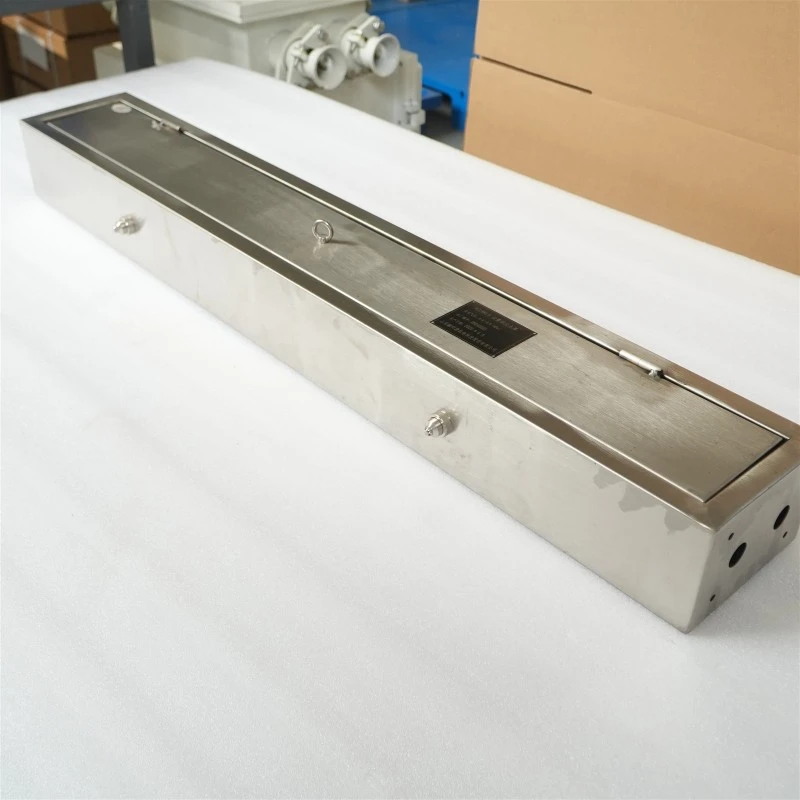
The core working principle of the mine water curtain system is based on the dual mechanism of "atomization dust collection + air flow blocking". The system pressurizes water to a specific pressure through a high-pressure pump, and forms tiny water mist particles with uniform distribution through a special atomizing nozzle. After the water mist collides with the dust particles in the air, it captures the dust by using the adhesion of water, forming larger particles to settle. At the same time, the dense water mist forms a "water curtain barrier", which can effectively block the path of dust diffusion with the air flow, realizing the dual effect of "source dust collection + diffusion control". Compared with traditional sprinkler dust reduction, the atomized particles of the water curtain system are finer, have a larger contact area with dust, and the dust collection efficiency can be increased to more than 90%, with lower water consumption, which meets the needs of green mine construction.
In terms of technical classification, mine water curtain systems can be divided into two types: manual control and intelligent linkage. The manual control system is suitable for areas with low operation frequency, and the water pressure and start-stop are adjusted through on-site valves; the intelligent linkage system is the mainstream development direction at present. The dust sensor equipped with it can monitor the environmental dust concentration in real time. When the concentration exceeds the standard, the water curtain is automatically activated. At the same time, it can be linked with equipment such as roadheaders and conveyors to realize the synchronous operation mode of "water curtain starts when equipment starts", avoiding ineffective water consumption and improving the accuracy of dust control. Some high-end systems also have remote monitoring functions, allowing managers to check the operation status of the water curtain and dust concentration data in real time through the platform, realizing intelligent management.
In terms of key technical indicators, the performance core of the water curtain system depends on atomization effect, water pressure control and material adaptability. The particle size of atomized particles should be controlled between 5-20 microns to achieve efficient collision with dust particles; the water pressure should be adjusted according to the operation scenario. High pressure of 0.8-1.2MPa is usually required in areas with high dust such as excavation surfaces, while medium pressure of 0.3-0.5MPa can be used in transportation roadways to balance effect and energy saving; in terms of materials, nozzles and pipelines should be made of corrosion-resistant and wear-resistant stainless steel or engineering plastics to cope with the harsh underground environment of humidity, high dust and corrosive gases, and prolong the service life of the equipment.
In addition to the core dust control function, the mine water curtain system also has multiple additional values. In high-temperature mines, water mist evaporation can reduce the ambient temperature and improve work comfort; after blasting operations, the water curtain can quickly settle the smoke and dust, shorten the ventilation waiting time, and improve production efficiency. With the advancement of green mine and intelligent mine construction, the water curtain system is moving towards the direction of "precision control, data interconnection, energy saving and consumption reduction". For example, it is equipped with a flow regulation module to realize on-demand water supply, and combines the Internet of Things technology to realize the linkage analysis of dust data in multiple areas, providing data support for the optimization of mine dust control schemes.
Selecting a suitable mine water curtain system should be based on the actual mine scenario, focusing on the dust concentration in the operation area, equipment operation frequency and space size. High-pressure intelligent systems should be preferred for excavation surfaces with high dust concentration, and medium-pressure linkage systems can be used for transportation roadways; at the same time, attention should be paid to the maintenance convenience of the equipment, and products with easy-to-disassemble nozzles and anti-clogging pipeline design should be selected to reduce the later operation and maintenance costs. As the basic equipment for mine safety, the rational application and upgrading of the mine water curtain system is not only a people's livelihood project to protect the health of miners, but also an important support to promote the high-quality and safe development of the mining industry.